
 St. Albert The Great Parish, Obosi.
 +234 805 330 9231


Why the Gospel Doesn’t Need Louder Amens to Be True
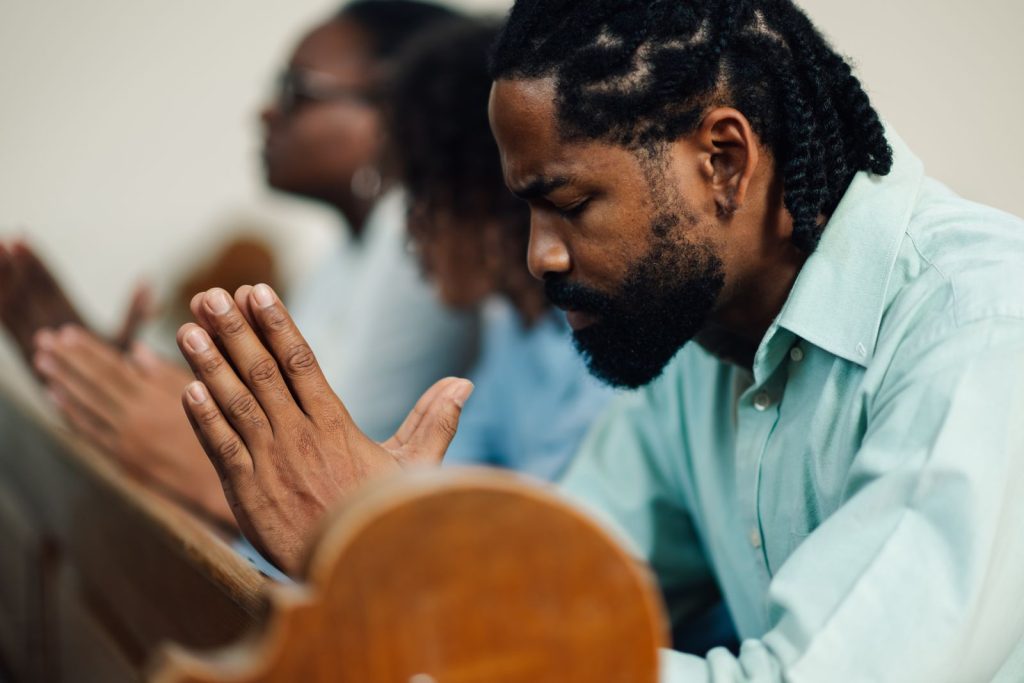
Let’s be clear: I love a good Amen. Especially the deep, gravelly kind that rumbles from the back row like a thunderclap after a preacher drops a truth bomb. It’s affirming. It’s communal. It’s what the old American Black church traditions taught the world: that the Word is not a monologue—it’s a dance, a duet between the pulpit and the pew.
Let’s get this out of the way: Jesus never asked anyone to shout louder if they believed Him. Not once did He say, “If you’re feeling Me, can I get a bigger Amen?” He didn’t need volume. He needed hearts.
But flash-forward to the 21st century pulpit, and it’s a different beat. Literally. Because now, before the sermon settles, the preacher may have already demanded that the congregation shout their confirmation like it’s a worship version of America’s Got Talent.
And if the crowd doesn’t scream loud enough? Don’t worry. The preacher will repeat the line until it sounds like it’s a sponsored ad. But do you know what scares me? It’s like somewhere along the way, we turned Amen into a device, not a declaration. A tool to measure applause, not alignment with the truth. These days, if the preacher doesn’t hear the shout, he demands the “Louder AMEN, somebody!” until the congregation yells in response.
It’s like suddenly, the Word of God needs a volume check to be validated. We act like the Spirit only moves when the decibels spike. It’s funny. It’s familiar. But it’s also symptomatic of something deeper—and more dangerous: fear, not the audience, is driving the sermon. And fear, when left unchecked, becomes bigger than the actual problem
We Don’t Need a Bigger Amen. We Need Bigger Faith.
Let’s look at the anatomy of a modern sermon. There’s the preacher, in a three-piece suit or a flowing agbada, “dressed like the anointing is watching” with just the right amount of attitudeunder stage lights. He raises a theological question, sprinkles a joke for levity, then—boom—makes a statement like, “You were born to be a winner!”
A hush Amen. Uh-oh. Not enough noise. He leans in: “I said—you were born to be a WINNER!”
This time? A louder Amen. He shouts: “Turn to your neighbor and say, ‘I am a winner!’” Now there’s thunderous clapping, and a sustained longer Amen, heads nod. He smiles. The sermon can move forward. Why? Because now there’s performance feedback.
This is not preaching. This is stand-up theology. And behind the charisma and choreography lies something more dangerous: fear that the gospel, by itself, won’t keep people’s attention. To preach with joy is not the same as preaching to entertain. The former stirs the soul; the latter tickles the ear.
Entertainment vs Encounter
| Feature | Entertainment-Based Preaching | Gospel-Centered Preaching |
| Audience Role | Cheerleader | Disciple |
| Goal | Response | Transformation |
| Measure of Success | Volume of Amens | Depth of repentance |
| Tactic | Performative repetition | Scriptural clarity, conviction |
| Result | Emotional high | Spiritual awakening |
Jesus Never Needed to “Hype the Crowd”
Jesus had the worst audience reactions in history. He once gave a sermon so offensive that everyone left. Everyone. And He just looked at the twelve and asked, “Will you also go?” Hedidn’t shout, “C’mon now! Somebody shout ‘Yeshua is Lord!’ He didn’t beg for validation.Because truth doesn’t tremble in silence. In fact, when Peter declared, “You are the Christ,”Jesus didn’t say, “Say it louder, Peter!” He said, “Flesh and blood didn’t reveal that to you.” In other words, God spoke it—not hype.
The pulpit was once an altar of sacrifice, now, in some places, it looks like a runway. Sermons used to feel like a surgical room for the soul. Now, they’re sometimes just stages for motivational pep rallies with a beat drop. We’ve traded the sacred for the spectacular—and it shows.
The early Church fathers didn’t speak to entertain. They spoke to awaken. To disturb. To convert. Think of Augustine’s fiery introspection, or Chrysostom’s bold calls to repentance. Even in recent memory, Archbishop Fulton Sheen brought wit to his teaching—not to dazzle, but to deepen. The danger today is that humor is no longer seasoning—it’s becoming the main course. And that’s when the soul goes malnourished.
The Problem Isn’t Entertainment. It’s Insecurity.
Let’s be honest. We’re not dancing and shouting because the gospel isn’t enough. We’re doing it because we’re scared people will leave if we don’t. This fear turns the preacher into a performer and the church into a studio audience. It’s a ministry built not on faith, but on insecurity. And guess what? Insecurity needs noise. The Word of God doesn’t.
Fear, Faith, and the Flash
Let’s rewind the tape. In the recent past, there was a story of a prominent Nigerian pastor visiting another church. He steps to the mic, awed and generous in his compliments: “We are glad to be here! This is beautiful! This is a studio, not a church, beautiful, and that is what we know you all for—excellence.”
On the surface, it’s a compliment. Underneath? It’s a theological earthquake with enough tremors to make St. Paul wake up in his grave and ask: “Did I write Galatians for this?” Now, don’t mishear or misread me. Joy, aesthetics, humour, aren’t the enemy. But if you need glitz and glamour, if you need humour, need shouting, need theatrics to keep the crowd, you’re not preaching the gospel—you’re hosting a one-man gospel variety show.
The Power of the Word Is in Its Silence Too
Sometimes, the most powerful moment in a sermon isn’t when the crowd shouts—it’s when the room falls silent. Conviction doesn’t always yell. Sometimes it just lands. Heavy. Holy.
The Word of God is described as a sword. Have you ever seen a surgeon ask for applause before making an incision? The gospel cuts. Gently. Precisely. Deeply. And no, it doesn’t need a background beat to do that.
What Happens When the Applause Fades?
Here’s the problem with living on Amens: eventually, the crowd will move on. What do you do when they no longer clap? When the likes slow down? When the reels don’t go viral? If your message is built on approval, you’ll compromise just to keep the crowd. But if your message is built on Christ, you’ll stand—alone if you must. Because the gospel doesn’t need a hype-man. It just needs a herald.
| Fear-Based Ministry | Faith-Based Ministry |
| Adjusts content for cheers | Declares truth regardless |
| Measures success by crowd | Measures success by obedience |
| Depends on reaction | Depends on revelation |
| Avoids hard truths | Embraces them |
| Distracts with theatrics | Drives deep with Scripture |
Don’t Forget: Fear Is Bigger Than the Problem
We think the problem is a lack of engagement. So we turn up the volume, bust a move, and call it anointing. But the real issue isn’t that people aren’t listening. It’s that we’re afraid they won’t stay if we preach the full gospel. And when we let that fear guide the sermon, the gospel suffers.Let me say it plainly:
• You don’t need to dance to make the Word land.
• You don’t need a shout to make the Spirit move.
• You don’t need a louder Amen to know God was heard.
The gospel is not fragile. It survived lions, emperors, and empires. It can survive silence. And when we finally preach without fear—when we let the Word do what it does best—we’ll discover what’s always been true: The Cross doesn’t need choreography. It needs clarity.
Amen?
(You don’t have to shout it.)
Fr. Kenneth Nkadi, O.P.